 By admin
aluminium die casting components corrosion-resistant
The question of whether aluminium die casting components are corrosion-resistant is frequently posed, and the answer is generally yes, but with important nuances. Aluminium itself is inherently resistant to corrosion due to its ability to form a passive, self-healing oxide layer on its surface when exposed to air. This protective layer, typically a few nanometers thick, acts as a barrier, preventing further oxidation and corrosion of the underlying metal. This natural phenomenon is a key reason why aluminium die casting components are so widely utilized across numerous industries, especially in environments where exposure to moisture and various elements is common.
However, the degree of corrosion resistance in aluminium die casting components is not uniform across all alloys or applications. Different aluminium alloys are formulated with varying percentages of other elements like silicon, copper, magnesium, and zinc. While silicon and magnesium generally enhance corrosion resistance, copper can sometimes reduce it, especially in certain aggressive environments. Therefore, the specific alloy chosen for a die-cast part plays a significant role in its long-term performance against corrosion. Manufacturers must carefully select an alloy that balances desired mechanical properties with the required level of corrosion resistance for the intended application.
Despite aluminium’s natural protective qualities, certain environmental conditions can challenge this inherent resistance. Exposure to highly acidic or alkaline solutions, saltwater (marine environments), or specific chemicals can accelerate corrosion. In such demanding applications, the natural oxide layer alone may not be sufficient. This is where various surface treatments become crucial in enhancing the corrosion resistance of aluminium die casting components, providing an additional layer of protection against harsh external factors.
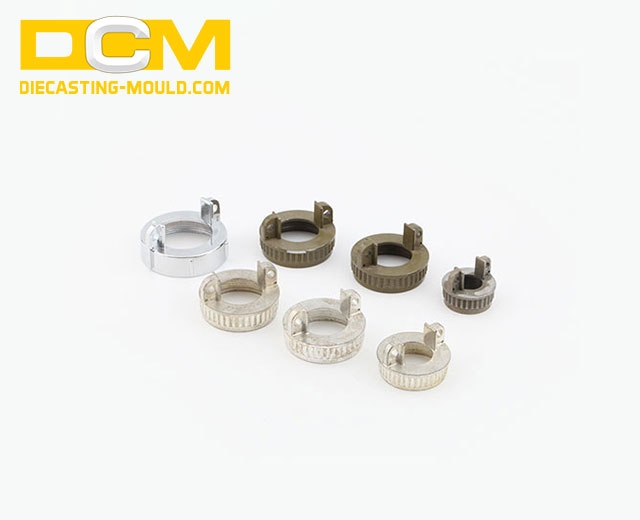
Are aluminium die casting components corrosion-resistant?
Common surface treatments applied to aluminium die casting components to bolster their corrosion resistance include anodizing, powder coating, chromate conversion coatings (such as Alodine), and various plating options. Anodizing, for instance, thickens the natural oxide layer through an electrochemical process, creating a much more durable and corrosion-resistant surface. Powder coating provides a robust, aesthetically pleasing barrier. Chromate conversion coatings offer excellent adhesion for subsequent painting and improved corrosion resistance. These treatments are essential for components exposed to aggressive elements, ensuring their longevity and performance. The zinc die casting process also benefits from similar surface treatment options to enhance its corrosion resistance and aesthetic appeal in various applications.
It is also important to consider the design of the aluminium die casting components themselves. Features that can trap moisture or allow for galvanic corrosion (when dissimilar metals are in contact) should be minimized or accounted for in the design phase. Proper drainage, avoidance of crevices, and the use of isolation materials between different metals can significantly extend the lifespan of die-cast parts in corrosive environments. Collaboration between designers and die casting specialists is crucial to anticipate and mitigate potential corrosion issues.
In conclusion, aluminium die casting components generally offer good to excellent corrosion resistance due to the natural passivation of aluminium. However, the level of protection is influenced by the specific alloy, the severity of the operating environment, and the application of appropriate surface treatments. By carefully considering these factors and implementing robust design practices, manufacturers can ensure that their aluminium die casting components perform reliably and resist degradation even in challenging conditions, making them a durable and cost-effective choice for a wide range of products.